What matters is not what a medical student memorizes… but how they interact with patients. The Nineveh Medical School is adopting a modern approach to assessing clinical skills.
November 16, 2026 2026-11-16 5:48What matters is not what a medical student memorizes… but how they interact with patients. The Nineveh Medical School is adopting a modern approach to assessing clinical skills.
ليس المهم ما يحفظه طالب الطب… بل كيف يتعامل مع المريضطب نينوى تعتمد أسلوباً حديثاً لتقييم المهارات السريرية
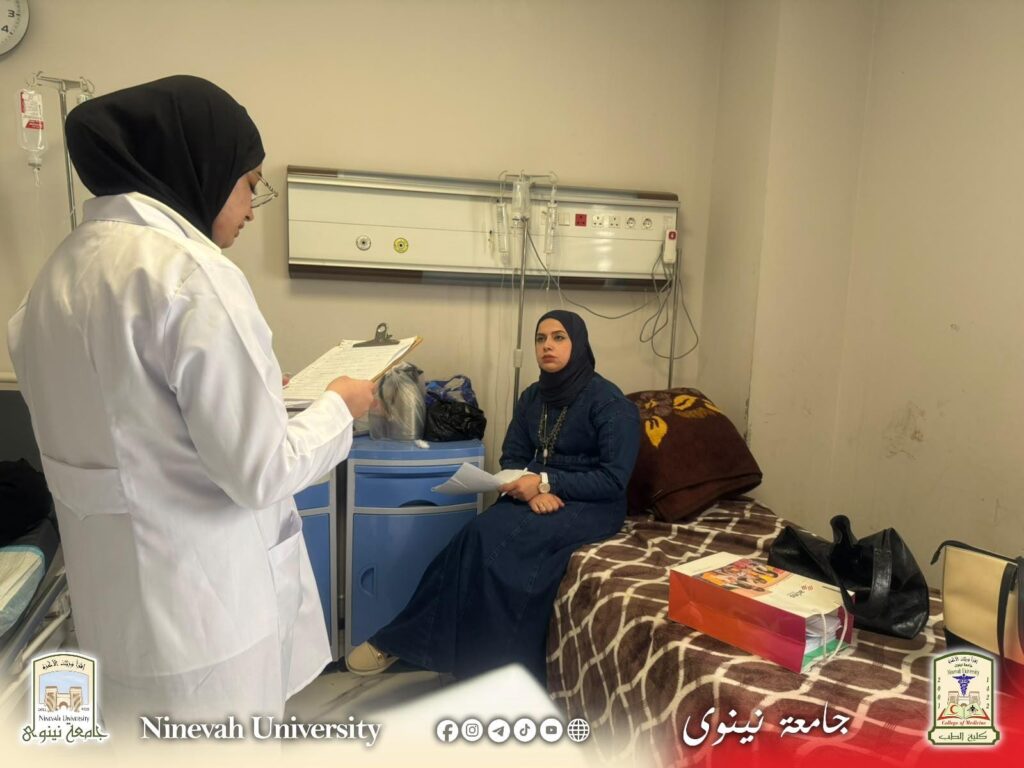
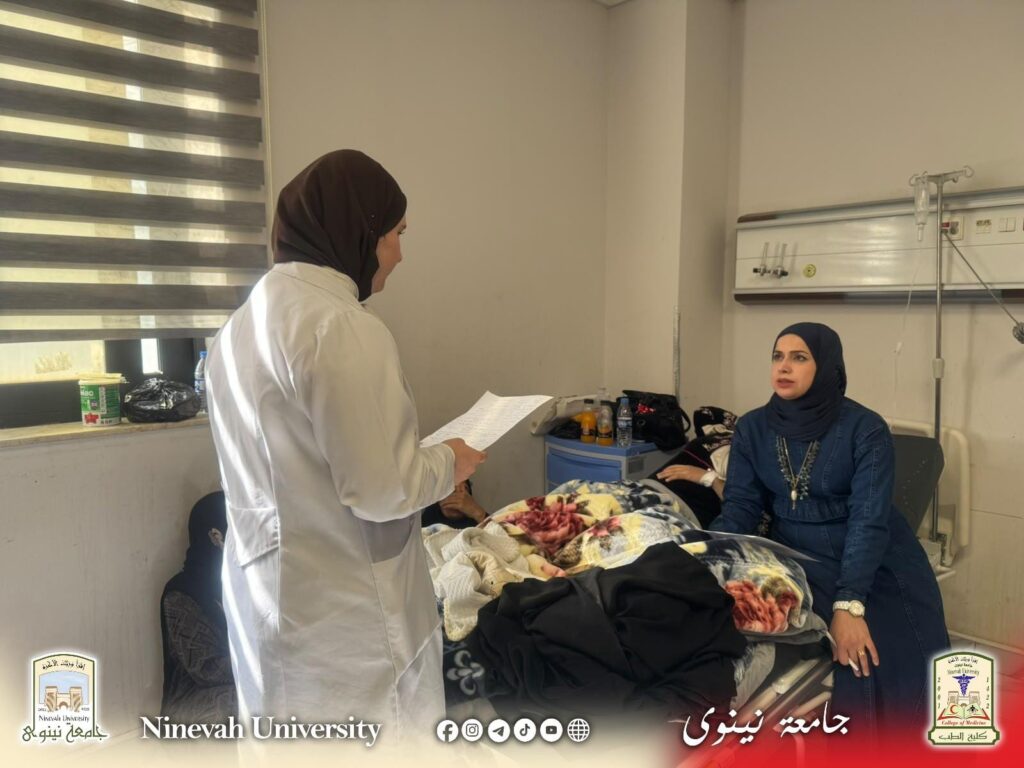
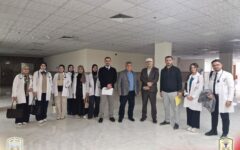
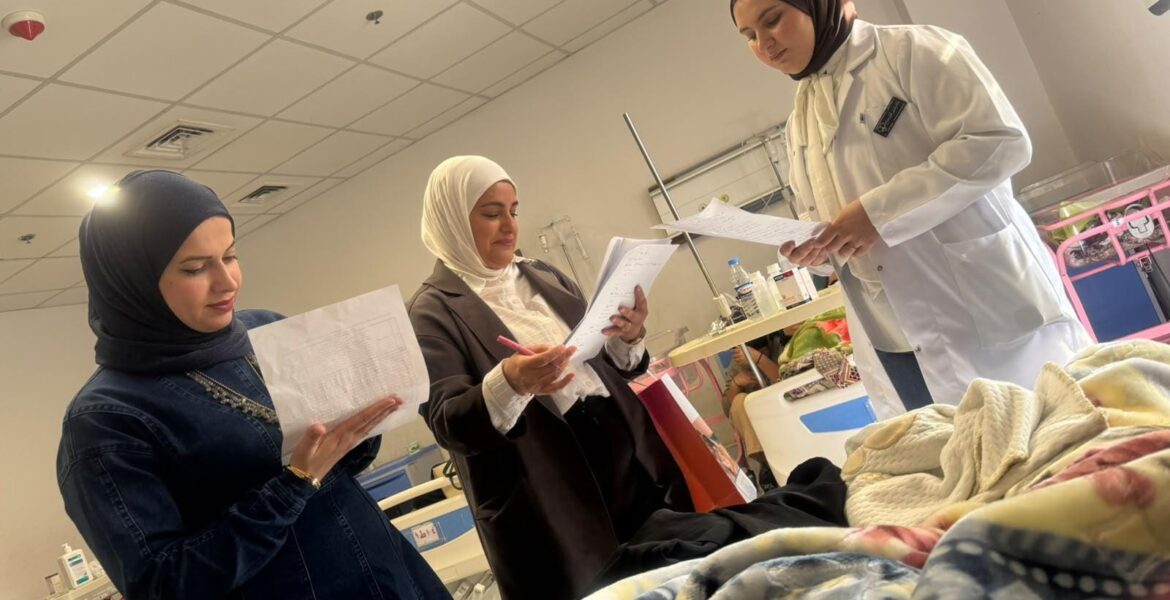
In a move that reflects a commitment to advancing medical education and improving clinical assessment methods, the College of Medicine – University of Nineveh has adopted the Mini-Clinical Evaluation (Mini-CEX) tool for the end-of-course practical exam in the Obstetrics course for fourth-year students, in line with the college’s efforts to enhance the quality of medical education and meet academic accreditation requirements.
This approach is characterized by a shift from traditional assessment to direct and structured observation of student performance as they handle real-world clinical cases. It includes an evaluation of skills in taking a medical history, conducting a physical examination, making a differential diagnosis, and developing an appropriate treatment plan, as well as patient communication skills and professional conduct.
The Mini-CEX system also provides students with immediate and constructive feedback, helping them identify their strengths and areas for improvement, and contributing to building their self-confidence and refining their practical skills. This step is part of the Faculty of Medicine at the University of Nineveh’s efforts to adopt modern, objective assessment tools that strengthen the link between theoretical knowledge and clinical practice, thereby helping to prepare doctors who possess the skills and competencies necessary to practice medicine in accordance with established academic and professional standards. At the University of Nineveh’s College of Medicine… the question is no longer just: What does the student know? But rather, how does the student apply that knowledge when facing a patient?